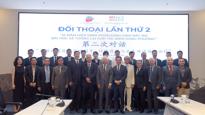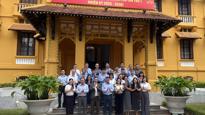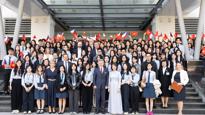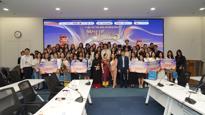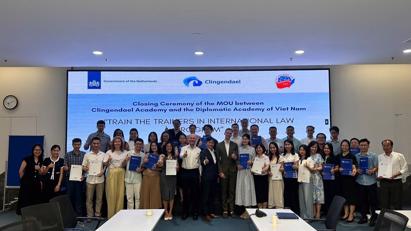


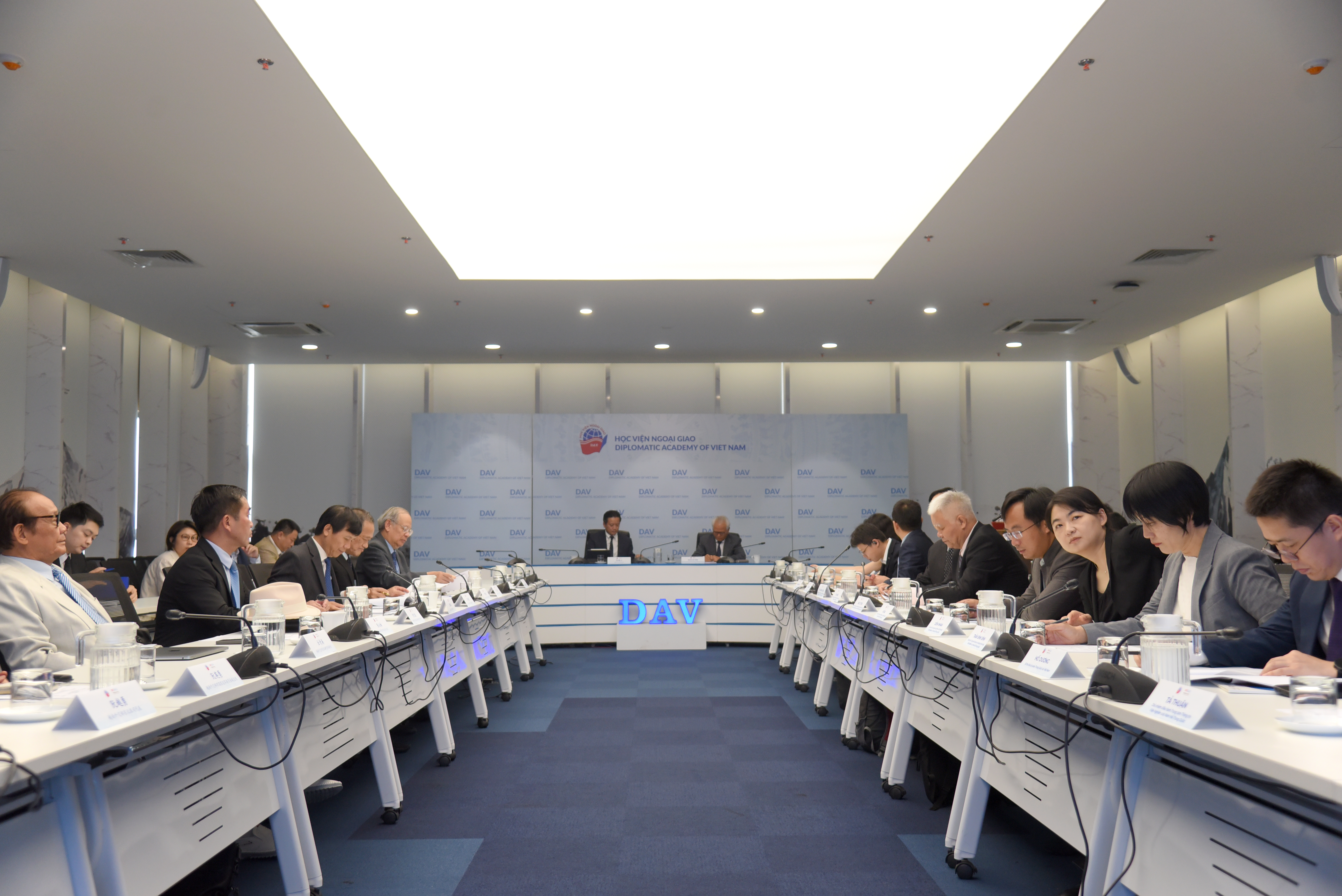
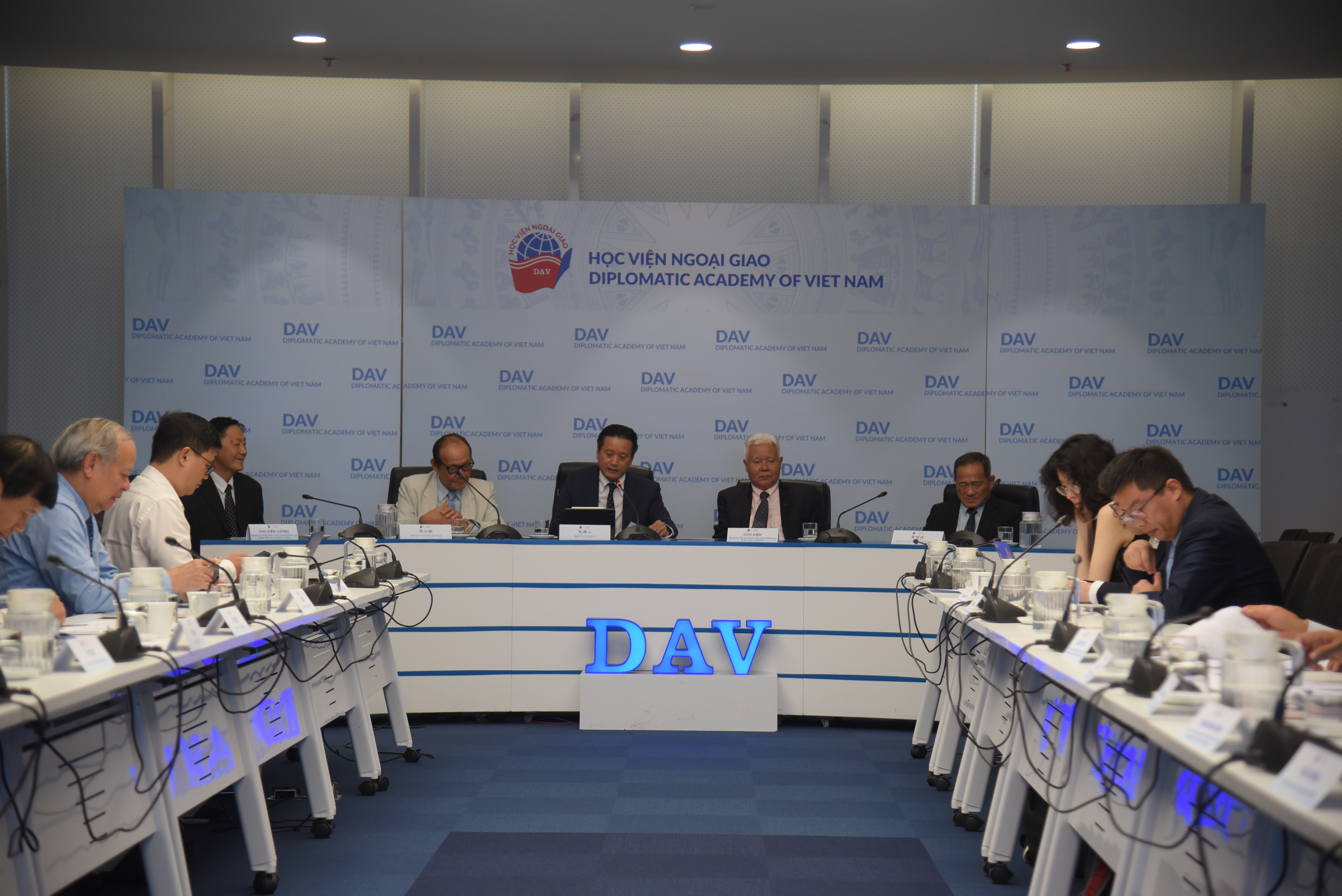
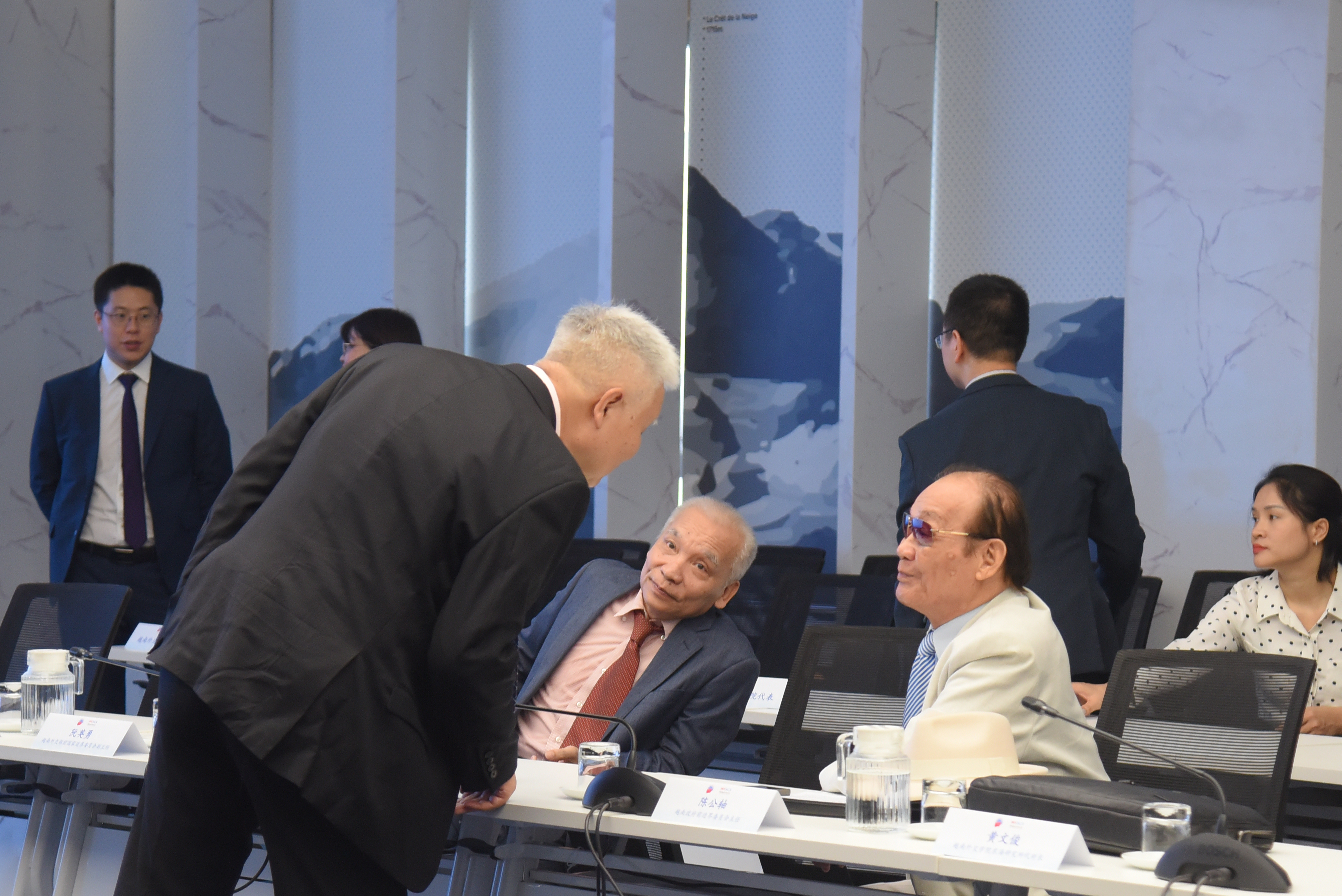
This second edition of the dialogue coincided with the 25th anniversary of both the Gulf of Tonkin Delimitation Agreement and the Gulf of Tonkin Fisheries Cooperation Agreement. Several “historical witnesses”—experts and officials from both sides who directly took part in the negotiations and signing ceremonies— were in attendance. The program featured two substantive sessions: “Experiences and Lessons Learned from the Vietnam–China Gulf of Tonkin Delimitation Negotiations” and “Prospects for Vietnam–China Maritime Cooperation in Light of the Delimitation Outcomes.”
In opening remarks, Dr. Nguyen Hung Son, President of the Diplomatic Academy of Vietnam, and Dr. Wu Shicun, Chairman of Academic Committee of China’s National Institute for South China Sea Studies and Chairman of the Huayang Center for Maritime Cooperation and Ocean Governance, highlighted landmark nature of the Gulf of Tonkin Delimitation Agreement in the Vietnam–China relations. The agreement established, for the first time, a clearly defined maritime boundary between the two countries in conformity with international law and established norms, reflecting a high level of political trust. Its conclusion was the product of lengthy negotiation grounded in goodwill, equality, mutual understanding, historical awareness, and due regard for national realities. The agreement also reaffirmed the significance and the centrality of the 1982 United Nations Convention on the Law of the Sea (UNCLOS), to which both countries are parties—in peacefully resolving disputes and conducting maritime delimitation.
Participants, including experts and former negotiators, recalled the formidable challenges overcome during 26 years of talks from 1974 to 2000. They agreed that the agreement holds historic importance not only for bilateral ties but also for China–ASEAN relations, and for peace, stability, and development in the region and beyond. According to delegates, several factors were key to the negotiations’ success: strict adherence to high-level understandings reached by the two countries’ leaders; respect for international law, especially UNCLOS 1982, alongside relevant customs and practice; and the principle of equity, which took into account pertinent circumstances such as natural geography and the livelihoods of communities surrounding the Gulf of Tonkin.
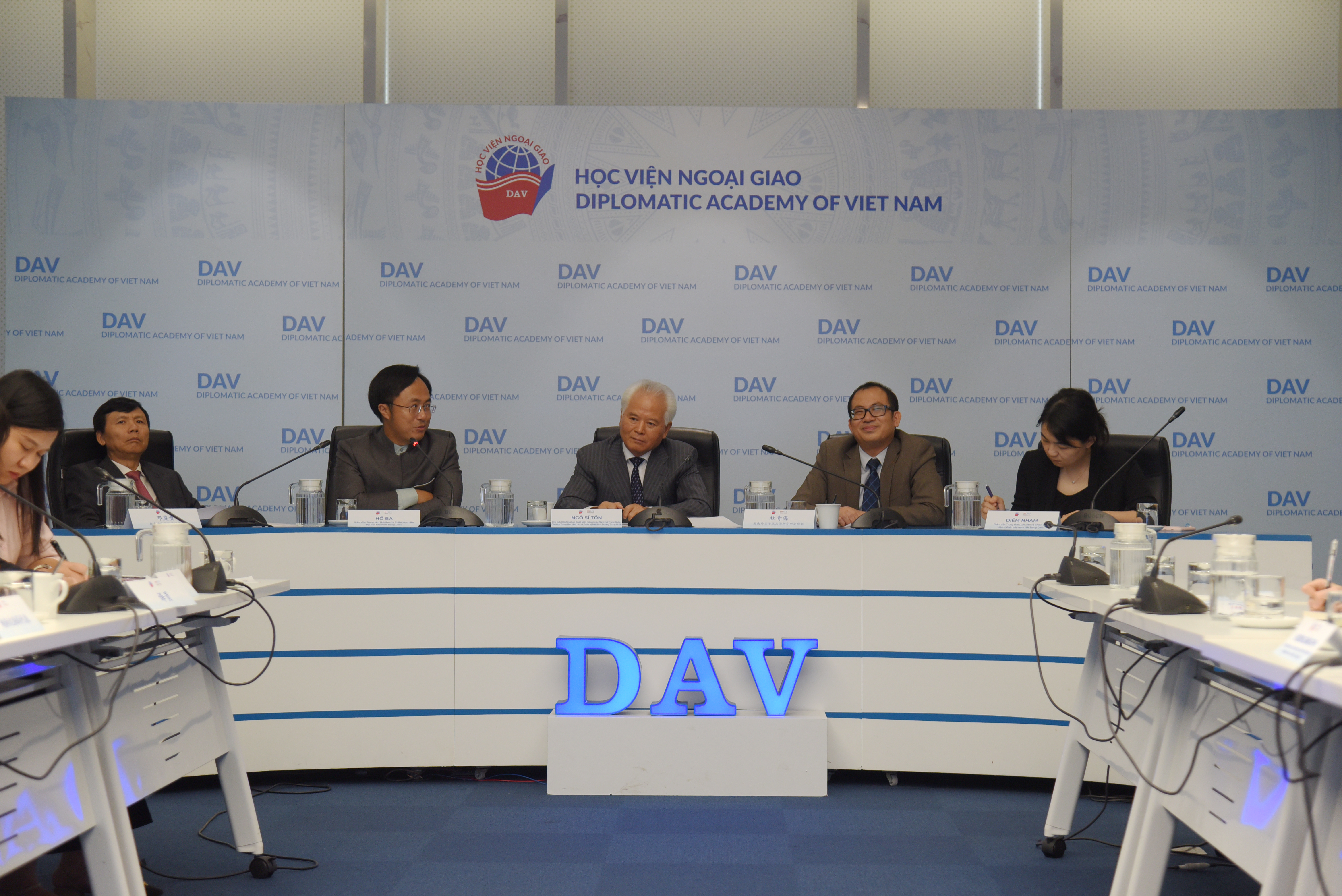
Building on these lessons, the dialogue also examined the role of Track-2 diplomacy in fostering trust and shaping practical maritime cooperation. Experts from both sides proposed potential initiatives focusing on less-sensitive issues, including commercial seaport connectivity, marine environment protection, joint marine scientific research, management of marine debris, and mangrove reforestation.
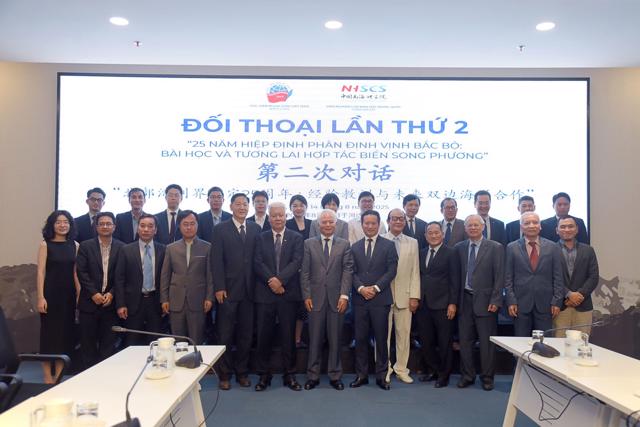
The proposals tabled at the dialogue will be conveyed to the competent authorities of both countries for further study and consideration./.
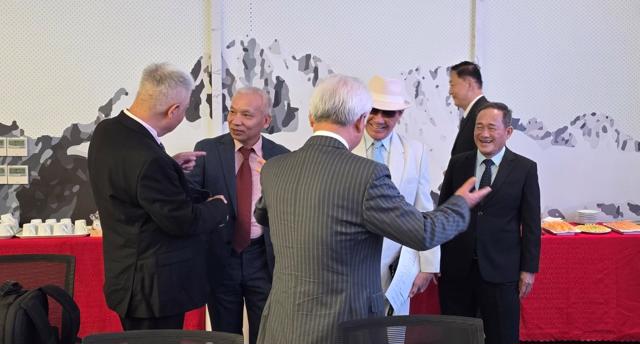
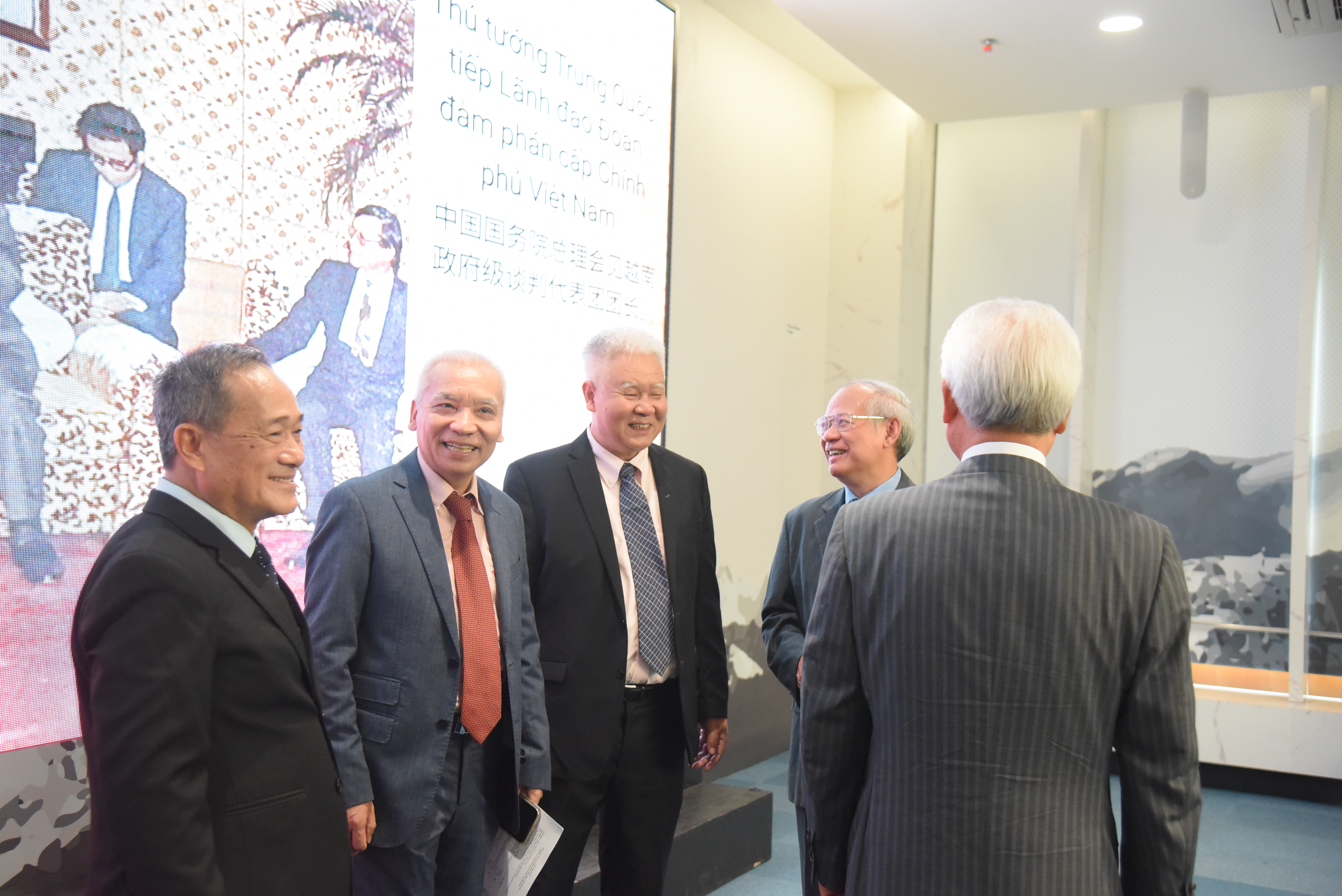
Selected images from the dialogue:





Copyright ® 2026 Học viện Ngoại giao - Diplomatic Academy of Vietnam | Điều kiện | Bảo mật