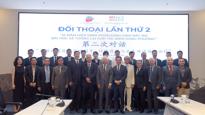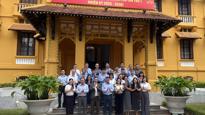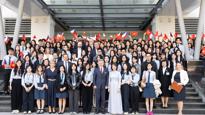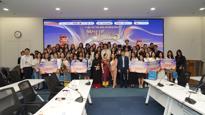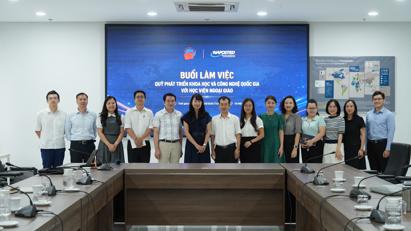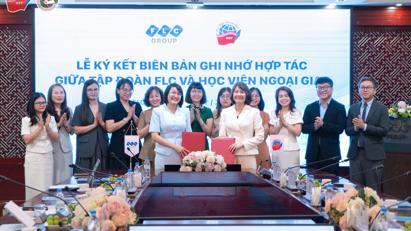


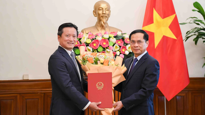
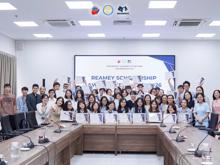
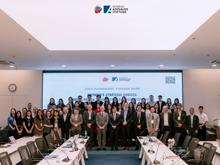
On 23 June 2026, the Diplomatic Academy of Viet Nam (DAV) welcomed a delegation of Indian Foreign Service officer trainees, led by Mr. Bastian N. Chacko, Deputy Ambassador of India to Viet Nam, for discussions on Viet Nam and India’s foreign policies, as well as bilateral relations between the two countries. The meeting was chaired by Mr. Trinh Minh Manh, Head of the Department of Undergraduate and Postgraduate Training and Ambassador-designate of Viet Nam to India.
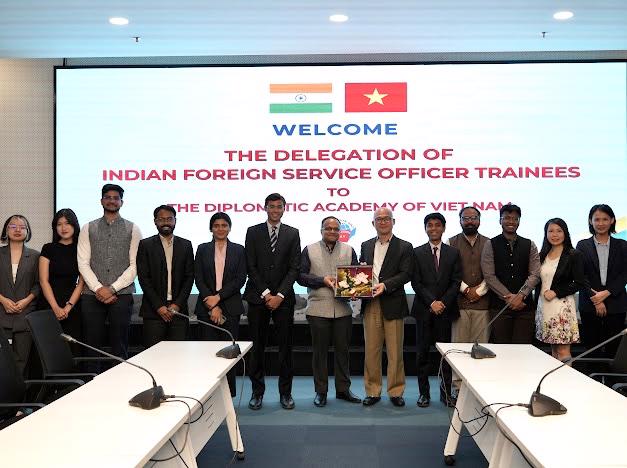
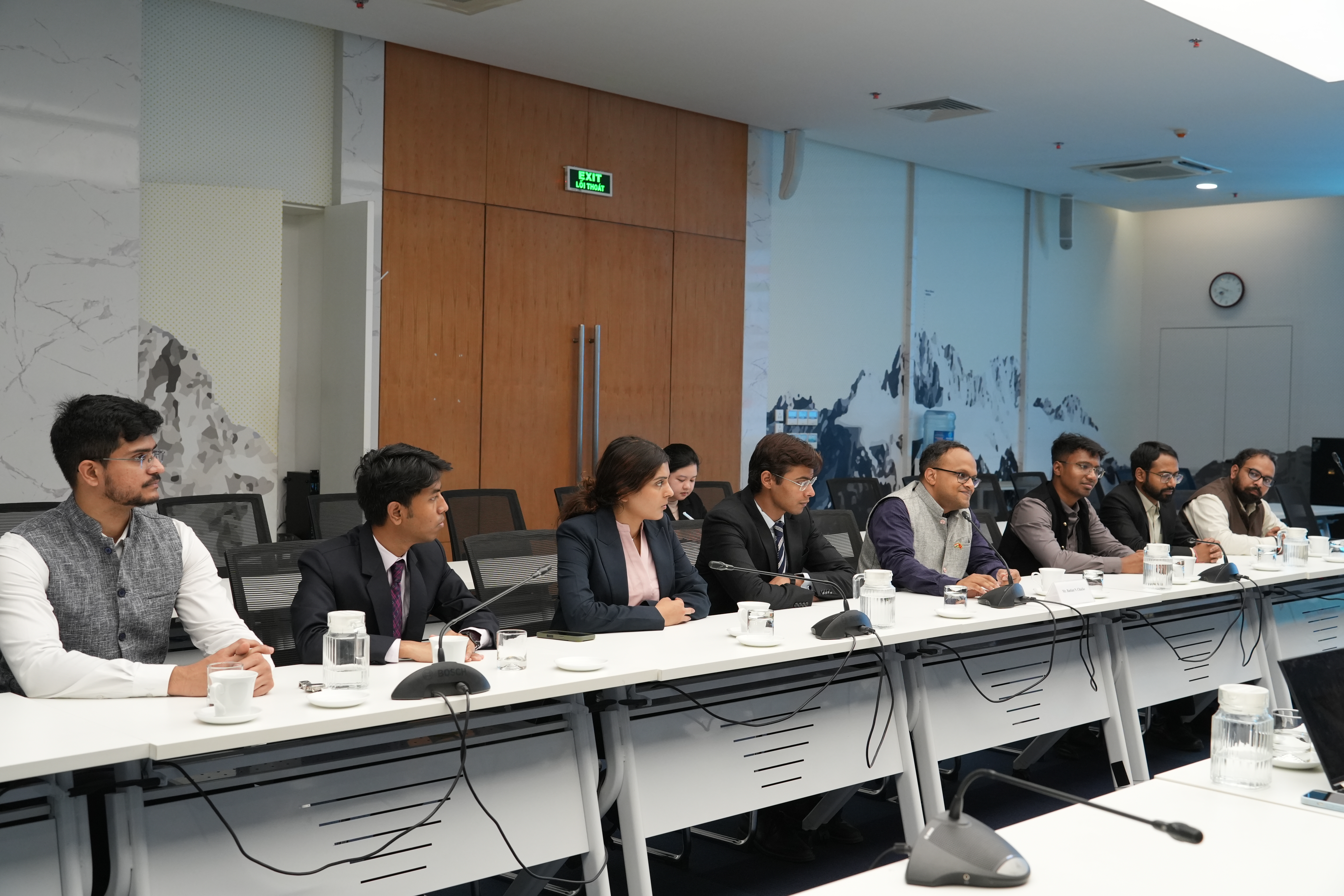
The delegation comprised seven young diplomats from the 2025 intake of the Indian Foreign Service. Their visit to Viet Nam formed part of a professional training programme organized by the Ministry of External Affairs of India, under which 50 newly recruited diplomats are undertaking study visits to eight of India's strategic partner countries, including Viet Nam. Also in attendance were representatives from DAV's Institute for Strategic Studies, East Sea Institute, Faculty of International Politics and Diplomacy, and Department of External Relations and Communications.
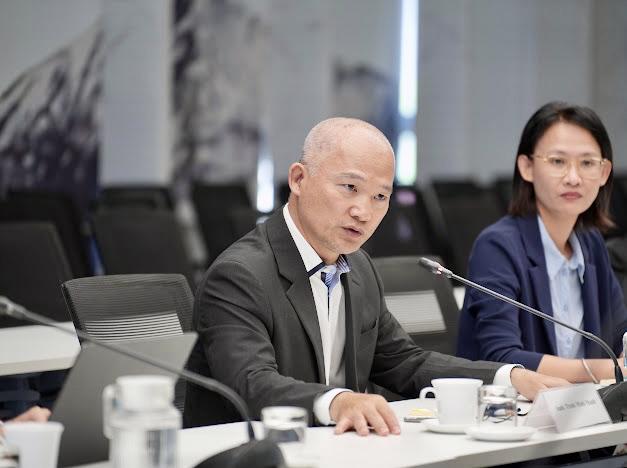
In his welcoming remarks, Ambassador Trinh Minh Manh highlighted the significance of the delegation’s visit, particularly in the context of the recent elevation of Viet Nam–India relations to an Enhanced Comprehensive Strategic Partnership during the State Visit of General Secretary, President To Lam to India in May 2026. He expressed his pleasure at welcoming the delegation to the Academy and noted that the exchange provided a valuable opportunity for young diplomats from both countries to deepen their understanding of each other’s foreign policies and share practical experiences in diplomatic work. Ambassador Trinh Minh Manh also shared his honour at his forthcoming appointment as Ambassador of Viet Nam to the Republic of India and expressed his hope for continued exchanges and cooperation with young Indian diplomats during his tenure.
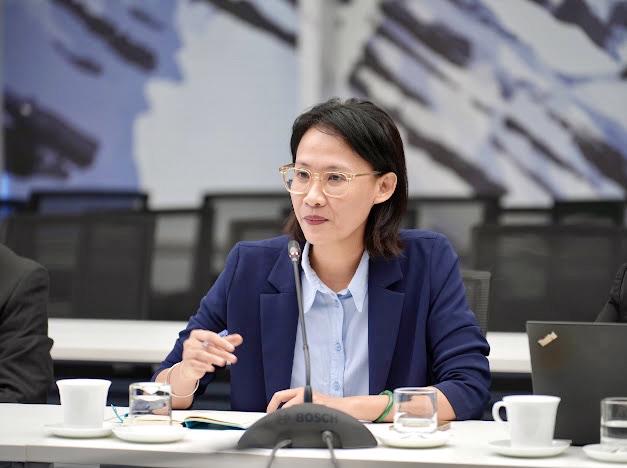
Presenting a brief introduction on Viet Nam’s foreign policy, DAV representatives outlined the evolution of the country's diplomatic thinking through three major stages: (i) the initial renewal of foreign policy thinking, which laid the foundation for the policy of "more friends, fewer enemies" and the diversification and multilateralization of external relations; (ii) the period of diversification and multilateralization, marked by significant milestones such as the normalization of relations with the United States and accession to ASEAN in 1995, followed by membership in APEC and the WTO, as well as serving as a non-permanent member of the United Nations Security Council; and (iii) the period of proactive, comprehensive, and extensive international integration from 2011 to the present. The presentation also introduced three major foreign policy priorities adopted at the 14th National Party Congress in early 2026: elevating foreign affairs and international integration to a strategic priority on par with national defense and security; expanding the role of diplomacy to create new opportunities for national development and mobilize external resources; and maintaining Viet Nam’s strong commitment to multilateralism amid growing challenges to the multilateral system.
During the discussion, Ambassador Trinh Minh Manh underscored the many similarities between the foreign policies of Viet Nam and India, particularly their shared emphasis on multi-alignment, strategic autonomy, balanced relations with major powers, and prioritizing ties with neighboring countries and fellow developing nations.
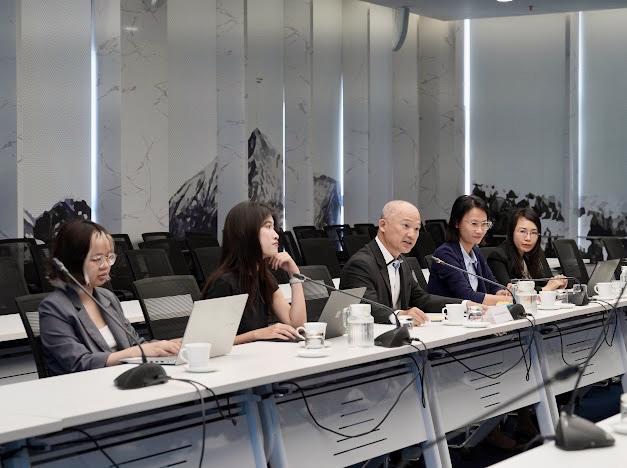
For their part, the Indian Foreign Service officer trainees raised a wide range of questions, reflecting their strong interest in Viet Nam’s diplomatic training system and practical foreign policy issues. Topics included Viet Nam’s approach to the East Sea issue, its management of relations with major powers amid intensifying strategic competition, and its assessment of recent regional security developments.
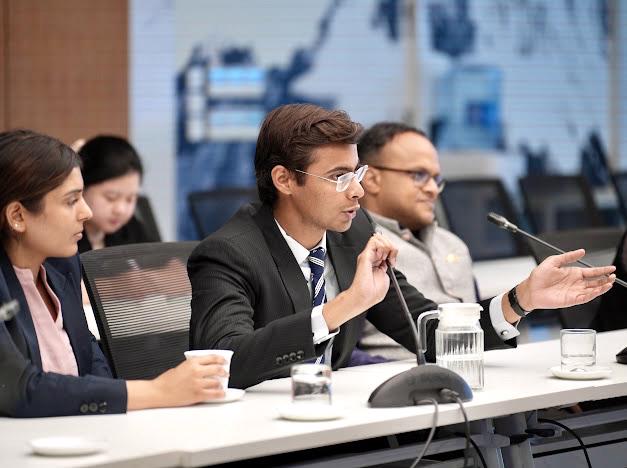
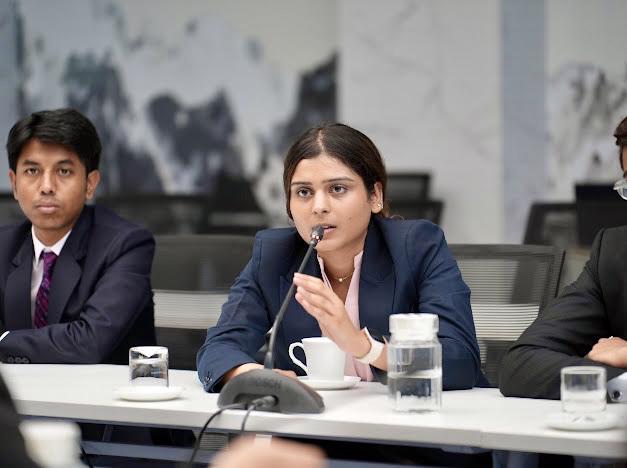
The meeting took place in a warm and open atmosphere, contributing to greater mutual understanding between the younger generations of diplomats from Viet Nam and India, and further strengthening cooperation between the Diplomatic Academy of Viet Nam and the Embassy of India in Viet Nam, opening up additional opportunities for collaboration in the future.




Copyright ® 2026 Học viện Ngoại giao - Diplomatic Academy of Vietnam | Điều kiện | Bảo mật